
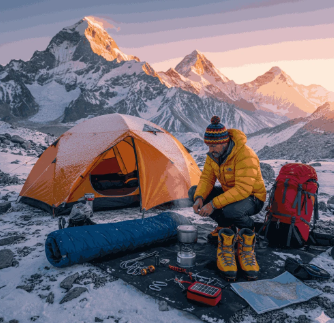
High-altitude camping offers breathtaking views and an exhilarating experience, but it also presents unique challenges that can test your gear to the limit. Choosing the right equipment is crucial for ensuring safety, comfort, and enjoyment at elevations above 8,000 feet. This guide will help you navigate the essential gear for your high-altitude adventure.
1. Tent Selection
When camping at high altitudes, the first item to consider is your tent. High-altitude winds can be fierce, so look for a four-season tent that is built to withstand harsh conditions. Opt for lightweight materials that are sturdy yet portable, enabling you to pack them easily while maintaining structural integrity under wind. Additionally, consider the tent’s footprint; it should ideally have a smaller profile, which helps in wind resistance.
Insulation and ventilation are also key features. At high altitudes, temperatures can drop significantly at night, so choose a tent with options for added insulation. Be sure to find one that has adjustable vents to manage condensation effectively. A crucial aspect of your tent’s design is its ability to be staked down securely, which will enhance stability in high winds.
-
- Choose a four-season tent for added durability.
-
- Select lightweight materials for portability.
-
- Check the tent’s ability to be staked down effectively.
-
- Look for adjustable ventilation to prevent condensation.
-
- Consider temperature ratings and insulation features.
2. Sleeping Gear
A good night’s sleep is critical for high-altitude camping, so investing in the right sleeping bag and pad is essential. Look for sleeping bags rated for low temperatures—ideally, a bag rated at least 10 to 15 degrees lower than the temperatures you expect to encounter. Down insulation is a reputable choice for warmth-to-weight ratio, although synthetic fills can provide better moisture management if wet conditions are a concern.
Pair your sleeping bag with an adequate sleeping pad that offers insulation against the cold ground. A thick, insulated pad will not only help keep you warm but also provide comfort over rocky terrain. Some pads come with built-in pumps, which can save effort and time during your setup. Don’t forget a stuff sack to keep your sleeping gear dry and compact while hiking!
-
- Choose a sleeping bag rated for temperatures lower than expected.
-
- Consider down insulation for warmth vs. synthetic for moisture.
-
- Invest in an insulated sleeping pad for both warmth and comfort.
-
- Look for pads with built-in pumps for easy setup.
-
- Use a stuff sack to keep your gear compact and dry.
3. Cooking and Hydration Gear
Cooking at high altitudes requires specialized equipment to counteract lower boiling temperatures. Lightweight camping stoves are ideal, but ensure they are compatible with fuel canisters appropriate for high altitudes. Look for stoves with adjustable flames, allowing you to control heat output better when preparing meals in changing weather conditions.
Hydration is equally essential. Water boils at a lower temperature at high altitudes, making it crucial to carry a good water filtration system or purification tablets. A hydration bladder with a hose is convenient for hands-free sipping on the trail. Remember to check the water sources in your area and carry extra water for emergencies, especially if you’re hiking away from streams.
-
- Choose a lightweight, adjustable camping stove.
-
- Use fuel canisters that perform well at higher altitudes.
-
- Carry a reliable water filtration system or purification tablets.
-
- Invest in a hydration bladder for easy access to water on the move.
-
- Always have extra water in case of unexpected delays.
4. Clothing and Footwear
High-altitude conditions require specific clothing designed for cold and variable weather. The layers principle is your best friend here: base layers wick moisture; mid-layers insulate; outer layers shield against wind and precipitation. Fabrics that dry quickly, such as merino wool and synthetic blends, can provide excellent insulation without bulk. Always ensure your outer layer is breathable and waterproof to manage sweat and external moisture effectively.
Your choice of footwear is equally important. Insulated boots that are both waterproof and breathable can protect your feet against the elements and provide traction on slippery terrains. Furthermore, consider how your boots fit with your planned sock system to avoid blisters and moisture buildup. Always break in your boots prior to your trip to avoid discomfort on the trail.
-
- Use the layering system for clothing to manage temperature effectively.
-
- Opt for moisture-wicking base layers and insulating mid-layers.
-
- Select breathable and waterproof outer layers.
-
- Choose insulated, waterproof boots for better traction.
-
- Break in your boots before departure to prevent blisters.
5. Safety and Navigation Equipment
Navigating the challenging conditions of high-altitude terrain requires reliable safety gear. A map and compass are indispensable tools, even if you have a GPS device. Ensure you know how to use them effectively, as technology can fail due to battery issues or signal loss. Carry a personal locator beacon (PLB) to alert rescue services in case of emergencies, especially when venturing into remote areas.
It is also essential to include a first aid kit that’s stocked for high-altitude ailments, such as altitude sickness, cuts, and bruises. Ensure your kit is lightweight and tailored to your specific needs. Familiarize yourself with its contents and practices so that you can respond quickly if something goes wrong.
-
- Bring both a map and compass as fail-safes.
-
- Carry a personal locator beacon for emergencies.
-
- Assemble a lightweight, comprehensive first aid kit.
-
- Familiarize yourself with first aid practices before your trip.
-
- Leave a detailed itinerary with someone back home.
In conclusion, high-altitude camping is an adventure that requires thoughtful preparation and the right gear. By ensuring you have the proper equipment, you can enjoy the beauty and thrill of elevated landscapes with confidence. Don’t hesitate to reach out to experienced campers for advice, or consult experts in outdoor gear for the best options tailored to your needs.