
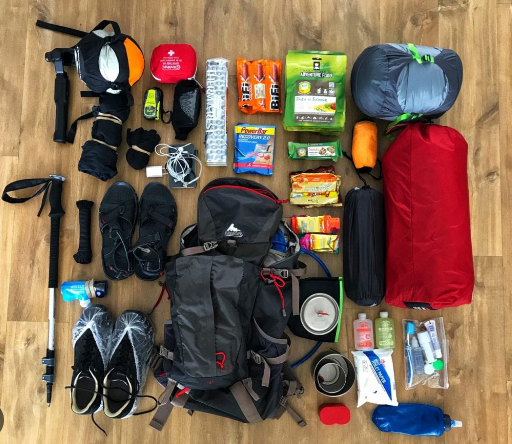
Embarking on a solo hiking trip can be an exhilarating experience, offering a chance to connect with nature and challenge yourself. However, it requires careful preparation, especially when it comes to the gear you bring. This post will guide you through the essential hiking gear needed for a successful solo adventure.
1. Footwear That Fits
Your choice of footwear can make or break your hiking experience. A good pair of hiking boots or shoes will provide both comfort and support on various terrains. Look for footwear that has a sturdy grip to prevent slips on wet or rocky surfaces. It’s important to choose the right fit—too tight, and you risk blisters; too loose, and you may twist an ankle.
Investing in moisture-wicking, breathable socks is just as critical. These materials help keep your feet dry and comfortable, which is especially important on long hikes. Remember to break in your footwear before your trip to ensure they’re ready for the trail.
-
- Choose boots that fit well and break them in.
-
- Select moisture-wicking socks to keep feet dry.
-
- Consider trail-specific footwear based on your hiking conditions.
-
- Bring an extra pair of socks in case of wet conditions.
2. Backpack Essentials
A sturdy backpack is crucial for carrying all your gear. Look for a pack that distributes weight evenly and has compartments for organizing your belongings. Consider your hiking duration; a daypack is sufficient for a short hike, while an overnight pack is necessary for extended trips. Keep in mind the size and weight of the backpack; too large can lead to unnecessary strain.
When packing your backpack, include only what you need. Essential items include water, a first aid kit, some energy snacks, and extra layers of clothing. Organizing these items effectively will make it easier to find what you need quickly while on the trail. A well-packed backpack helps maintain your energy and morale.
-
- Choose the right size and type of backpack for your hike.
-
- Organize your belongings to access them easily.
-
- Pack lightweight gear to minimize strain.
-
- Don’t overload your backpack; stick to essentials only.
3. Navigation and Communication Tools
When hiking solo, reliable navigation tools are essential. A good map and compass are basic must-haves, even if you plan to use a GPS device. Technology can fail, so knowing how to read a map and use a compass is a valuable skill. Always have a backup plan in case your devices run out of battery or lose signal.
Moreover, it’s important to stay connected or, at the very least, ensure someone knows your itinerary. A fully charged mobile phone can be a lifesaver, so consider investing in a portable charger. If you’re hiking in remote areas, look into personal locator beacons or satellite phones for emergency communication.
-
- Bring both a map and a compass, and know how to use them.
-
- Ensure your phones and devices are fully charged.
-
- Inform someone of your hiking itinerary.
-
- Consider a portable charger or extra batteries.
4. Clothing Layers
Layers are your best friend when it comes to hiking clothing. Start with a moisture-wicking base layer that keeps you dry from sweat. Next, add an insulating layer, such as fleece or down, and finish with a waterproof, breathable outer layer to protect against wind and rain. This layering system allows you to adjust your outfit based on weather changes and your level of exertion.
Don’t forget about accessories! A wide-brimmed hat can shield you from the sun, while gloves and a beanie keep you warm during chilly mornings or evenings. Always check the weather forecast before your trip to ensure you dress appropriately for the conditions you’ll face.
-
- Select moisture-wicking base layers appropriate for conditions.
-
- Choose lightweight, insulating layers that pack well.
-
- Wear waterproof outer layers during uncertain weather.
-
- Bring along sun protection accessories like hats and sunglasses.
5. Safety and Survival Gear
Understanding the essential safety gear can make a substantial difference in a solo hiking trip. A well-stocked first aid kit is fundamental, covering everything from cuts and scrapes to allergic reactions. Consider including emergency items such as a whistle, fire-starting materials, and even a small multi-tool to assist in various situations you might encounter in the wilderness.
Also, don’t overlook the importance of food and hydration management. Carry enough water and a method for purifying it if needed. If there’s space, portable food supplies such as energy bars or compact meals can provide the necessary fuel for your journey. Always prioritize safety over comfort; be prepared for the unexpected.
-
- Pack a comprehensive first aid kit.
-
- Include essential survival tools like a whistle and a multi-tool.
-
- Ensure you have a reliable method for water purification.
-
- Keep extra food supplies and snacks for energy.
Solo hiking can be thrilling, allowing for personal reflection and a connection with nature. By ensuring you have the right gear, you increase both your safety and enjoyment on the trail. Before you lace up your boots and hit the path, take some time to gather your essentials and plan your adventure. Happy hiking!