
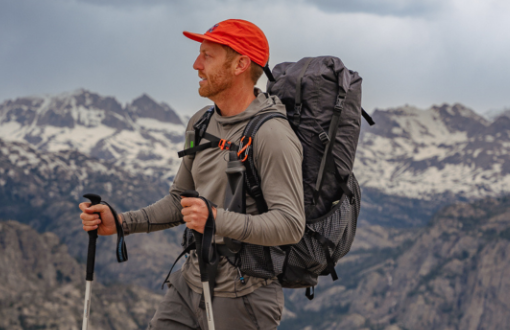
For outdoor fitness enthusiasts, having the right hiking gear can make all the difference in enjoying a day on the trails. Whether you’re a casual hiker or an avid adventurer, the right equipment enhances not just comfort and safety, but also the overall experience.
1. Essential Clothing Layers
When considering clothing for hiking, layering is key to adapting to changing weather conditions and maintaining comfort. The typical three-layer system includes a base layer, an insulating layer, and an outer shell. The base layer, made of moisture-wicking materials, helps keep sweat away from your skin. Popular options include merino wool or specialized synthetics, which provide insulation and comfort. The insulating layer should protect against the cold, often made from fleece or down, while the outer layer shields you from wind and rain, commonly found in waterproof jackets.
Choosing the right footwear is equally crucial. Investing in a pair of high-quality hiking boots or shoes is essential to provide support, traction, and protection for your feet. Trail-specific designed shoes offer better grip and comfort for uneven terrain compared to regular sneakers. Make sure to break in any new footwear before taking on longer treks to avoid blisters and discomfort.
-
- Choose moisture-wicking base layers to stay dry.
-
- Opt for breathable fabrics for hot days.
-
- Always carry weather-appropriate outer layers.
-
- Invest in hiking footwear that fits well.
-
- Prioritize socks made for hiking to prevent blisters.
2. Navigation and Safety Gear
When embarking on a hiking adventure, safely navigating the terrain is as vital as enjoying the view. Always carry a reliable map and compass, even if you’re using a GPS device or smartphone. Electronic devices can fail, so knowing traditional navigation skills is crucial. Additionally, familiarize yourself with trail markers to ensure you remain on the right path and avoid getting lost. A field guide for local wildlife and plants may also enrich your hike, empowering you with knowledge about your surroundings.
Another important aspect of safety gear is a well-stocked first aid kit. You should equip your kit with essentials like band-aids, antiseptic wipes, blister treatment, and any personal medications. It’s wise to know basic first aid procedures and how to use the items you’re carrying. Engaging in a hike with a buddy can also enhance safety; having a partner allows for shared responsibilities in navigation and assistance in case of an emergency.
-
- Always carry a physical map, even if you have GPS.
-
- Familiarize yourself with local trail markers.
-
- Pack a first aid kit with essential items.
-
- Learn basic first aid skills.
-
- Consider hiking with a partner for added safety.
3. Hydration and Nutrition Essentials
Staying hydrated during a hike is crucial for maintaining energy and overall health. Invest in a good hydration system, whether it’s a reusable water bottle, a hydration pack, or a portable water filter. For short hikes, a single water bottle may suffice, but for longer treks, using a hydration bladder can help you drink water easily while on the go. Always plan your water needs ahead of time, especially in warmer temperatures where you may lose fluids more rapidly.
Nutritional needs during a hike cannot be underestimated. Carry nutrient-dense snacks that provide a quick energy boost, such as trail mix, energy bars, or fruit. These foods are easy to pack, lightweight, and offer proportions of carbohydrates, protein, and fats that can help you keep your energy levels high. Planning your meals and snacks ahead of time can help you stay fueled without feeling sluggish.
-
- Carry enough water to stay hydrated, aiming for 2 liters on longer hikes.
-
- Opt for lightweight hydration systems for convenience.
-
- Pack high-energy snacks for sustained fuel.
-
- Try a mix of carbs, proteins, and fats for balanced energy.
-
- Consider electrolyte options if hiking in extreme heat.
4. Tools and Accessories for Comfort
The right tools and accessories can significantly enhance your hiking experience. Trekking poles are an excellent addition as they provide stability and reduce strain on joints during descents. An innovative feature of some modern trekking poles is that they can break down for easy storage. Don’t forget about the importance of a good backpack as well. A well-designed backpack will help distribute weight properly, preventing fatigue and ensuring that you can carry all your essentials comfortably.
Additionally, incorporating accessories like multifunctional knives or mini tools can come in handy for unexpected situations. A headlamp or flashlight is also vital for visibility during early morning hikes or as the sun sets. Remember to pack extra batteries just in case, and consider sunglasses and sunblock for protection against UV rays.
-
- Use trekking poles to reduce joint strain.
-
- Choose a backpack with a good frame for weight distribution.
-
- Carry a compact multifunctional knife for versatility.
-
- Ensure to include a headlamp with extra batteries.
-
- Don’t forget sunglasses and sunscreen to protect against the sun.
Investing in quality hiking gear not only enhances your comfort and safety but also enriches your overall outdoor experience. Now is the time to assess your current hiking gear, identify gaps, and prepare for your next adventure. So gather your essentials, lace up those boots, and hit the trails!