
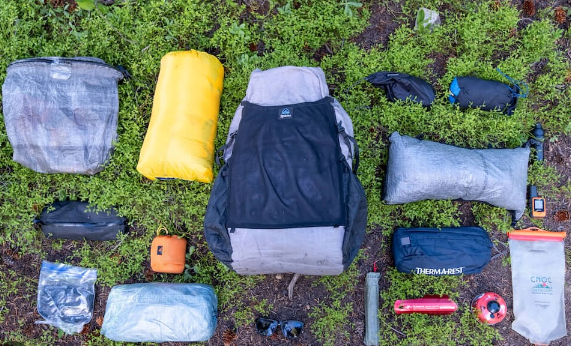
Weekend hiking trips are a fantastic way to escape the hustle and bustle of daily life and immerse yourself in nature. Having the right gear can significantly enhance your experience, making it safer and more enjoyable. In this post, we will explore essential hiking gear that every weekend warrior should consider.
1. Footwear: Choosing the Right Hiking Boots
Your footwear is arguably the most critical part of your hiking gear. Proper hiking boots provide the necessary support, grip, and comfort for long treks. When shopping for boots, look for features like waterproofing, breathability, and a sturdy sole. Brands like Merrell, Salomon, and Columbia offer reliable options that cater to different types of terrains. Don’t forget to break in your boots before hitting the trail to avoid painful blisters.
In addition to choosing the right boots, consider wearing moisture-wicking socks to keep your feet dry and comfortable. Cotton socks can lead to increased friction, resulting in blisters. Instead, opt for merino wool or synthetic fiber socks designed specifically for hiking to maintain comfort throughout the day.
-
- Invest in high-quality hiking boots.
-
- Break in your boots before your trip.
-
- Choose moisture-wicking socks.
-
- Consider wearing gaiters for muddy or snowy trails.
2. Clothing Layers: Staying Comfortable in Varying Conditions
The weather can change quickly in the great outdoors, so layering your clothing is crucial for weekend hikes. Start with a moisture-wicking base layer to keep sweat away from your skin. Next, add an insulation layer like a fleece or down jacket for warmth. Finally, opt for a waterproof or windproof outer layer to protect against rain and wind. Brands like Patagonia and The North Face offer fantastic options for layering systems suitable for various climates.
Choosing clothing made from materials like polyester or wool rather than cotton can help you stay warm and dry. Additionally, pay attention to the fit of your clothing; it should allow for movement without being too baggy or restrictive, which might affect your comfort and performance on the trail.
-
- Layer your clothing for varying weather conditions.
-
- Invest in a moisture-wicking base layer.
-
- Choose waterproof outer layers for wet conditions.
-
- Opt for breathable materials to prevent overheating.
3. Hydration: Staying Properly Hydrated on the Trail
Staying properly hydrated is essential for maintaining energy levels and preventing fatigue during your hike. A hydration pack or a water bottle that fits easily in your backpack can streamline this process. Hydration packs, like those from CamelBak, offer hands-free drinking, allowing you to sip water without stopping. It’s recommended to hydrate before you feel thirsty, as thirst is a sign that your body is already slightly dehydrated.
Estimating the amount of water you need can depend on factors like trail difficulty, temperature, and your personal activity level. A common rule of thumb is to drink about half a liter of water for every hour of moderate activity. Always plan your water sources in advance to ensure you can refill if necessary.
-
- Carry a hydration pack for convenience.
-
- Drink water regularly, even if you don’t feel thirsty.
-
- Plan water refill points if hiking for long durations.
-
- Consider carrying water purification tablets for emergency situations.
4. Essential Gear: Tools and First-Aid Kits
Alongside clothing and footwear, having essential gear is vital for a safe weekend hike. A sturdy backpack is crucial for carrying all your gear. Look for one that has adjustable straps and enough compartments to organize items. Additionally, carry a first-aid kit that includes essentials like band-aids, antiseptic wipes, pain relievers, and blister treatment. Tailor your kit to your specific needs, adding any personal medications or supplies you might require.
Navigation tools like a map, compass, or GPS device can be lifesavers in unfamiliar terrain. It’s also a good idea to carry a multi-tool or a knife, which can serve various purposes from food prep to addressing gear repairs on the go. Make a habit of checking your gear before each hike to ensure everything is in order.
-
- Use a durable, well-organized backpack.
-
- Pack a comprehensive first-aid kit.
-
- Include navigation tools like a map and compass.
-
- Check your gear for functionality before each trip.
5. Food: Fueling Your Adventure
Having the right food on hand can make all the difference during a hike. Opt for lightweight, high-energy snacks such as trail mix, energy bars, and jerky. These options provide quick fuel and are easy to pack. Keep in mind that it’s also important to plan for meals if you’ll be out for a more extended period. Consider pre-packed meals that are lightweight and easy to prepare, like freeze-dried meals.
Don’t forget about packing an adequate amount of food based on the length and difficulty of your hike. As a general guideline, aim for around 200–300 calories per hour of hiking. This can help keep your energy levels up and make for a more enjoyable experience overall.
-
- Choose lightweight, high-energy snacks.
-
- Pack meals if hiking for an extended period.
-
- Aim for 200-300 calories for every hour of hiking.
-
- Consider reusable containers for easy clean-up.
In conclusion, choosing the right hiking gear is vital for an enjoyable weekend adventure. By investing in quality footwear, clothing, hydration systems, essential tools, and satisfying food, you’ll be well-prepared for whatever nature has to offer. So gear up and hit the trails this weekend—your next adventure awaits!