
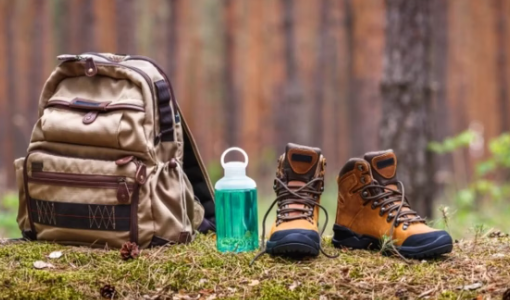
For outdoor adventure seekers, having the right hiking gear can make all the difference in ensuring a safe, enjoyable, and successful trek. From choosing the proper footwear to gearing up with necessary accessories, the right equipment not only enhances comfort but can also aid in navigation and safety. In this blog post, we’ll explore essential hiking gear that every outdoor enthusiast should consider for their next big adventure.
1. Footwear: The Foundation of Comfort
Your choice of hiking boots can significantly affect your comfort and performance on the trail. A good pair of hiking boots should provide ample support, traction, and protection from rough terrains. Look for boots made with breathable materials that can withstand wet and dry conditions. Also, consider whether you prefer mid or high-top shoes, as high-tops can offer additional ankle support, which is beneficial for uneven ground.
Don’t skip out on trying your boots with the socks you plan to wear on your hike; this helps avoid blisters and ensures a snug fit. Also, breaking in your boots before a long hike is crucial. Spend a few weekends wearing them on shorter trails to assess comfort and performance, allowing materials to conform to your feet.
-
- Choose boots based on the terrain you will encounter.
-
- Break in new boots on short hikes.
-
- Consider waterproof options if hiking in rainy areas.
-
- Wear moisture-wicking socks to help prevent blisters.
2. Clothing: Layer Up for the Elements
Dressing in layers is essential for a comfortable hiking experience, especially as weather conditions can change rapidly in mountainous areas. Start with moisture-wicking base layers that keep sweat away from your skin, followed by an insulating layer for warmth. Depending on the climate, a waterproof and windproof outer layer is a must-have to protect against heavy rains or strong winds.
Additionally, consider lightweight pants and shirts that offer UPF protection from sun exposure. Many hiking outfits now come with built-in features like ventilation zippers and pockets to store essentials, enhancing convenience while you’re on the go. Remember, the goal is to keep yourself warm without overheating, so be prepared to adjust your layers as needed.
-
- Invest in moisture-wicking base layers.
-
- Always pack an insulating layer for cool evenings.
-
- Opt for weather-resistant outer layers.
-
- Wear breathable fabrics to promote air circulation.
3. Navigation Tools: Find Your Way
Even if you’re familiar with a trail, maps, and navigation tools are vital for hiking adventures. A compass, GPS device, or a reliable smartphone app can help you stay on course and avoid getting lost. While smartphones are convenient, consider bringing a physical map and compass as backup in case of poor reception or battery depletion.
Make sure to familiarize yourself with navigation tools before heading out; understanding how to read a map and use a compass can be the difference between safety and distress in the wilderness. Practice on shorter hikes or in familiar areas until you feel confident navigating the terrain independently.
-
- Download offline maps when possible.
-
- Learn to use a compass and map.
-
- Consider carrying a portable charger for your devices.
-
- Always know your exit points and emergency contacts.
4. Hydration and Nutrition: Fuel Your Adventure
Staying hydrated is crucial on long hikes; dehydration can lead to fatigue and impaired performance. Invest in a reliable hydration system, like a water bladder or reusable water bottles, and make it a habit to drink regularly, even if you don’t feel thirsty. Additionally, you should consider packing electrolyte tablets or replace drinks to maintain electrolyte balance.
As for nutrition, energy bars, trail mix, and jerky are ideal choices for easy-to-carry snacks. These high-energy foods can keep you fueled on the go, providing the necessary sustenance for tackling steep inclines or long distances. Pre-pack your snacks in resealable bags to minimize waste and make it easier to grab a quick bite on the trail.
-
- Always carry more water than you think you’ll need.
-
- Use a hydration system for easy access.
-
- Opt for high-energy snacks like nuts and granola bars.
-
- Consider food items that don’t require refrigeration.
5. Safety Gear: Be Prepared for the Unexpected
Safety gear can be the saving grace in an emergency situation. A fundamental part of your hiking kit should include a first aid kit tailored for outdoor adventures, including items like bandages, antiseptic, and pain relief medication. A multi-tool can be invaluable for various situations, whether fixing gear or preparing food.
Don’t forget to include a whistle and a flashlight or headlamp as these can be lifesavers in low visibility conditions or in an emergency signaling situation. Depending on your hiking destination, other gear like a bear whistle or spray may also be essential for personal safety, particularly in wildlife-heavy regions.
-
- Pack a comprehensive first aid kit.
-
- Include a multi-tool for versatility.
-
- Always carry a whistle for emergency situations.
-
- Consider a flashlight or headlamp for nighttime hikes.
In conclusion, having the right hiking gear is crucial for outdoor adventure seekers to enhance comfort, safety, and overall enjoyment. Invest in quality equipment and familiarize yourself with its use to make the most of your next hike. Get outside, explore the beauty of nature, and remember to prepare adequately for the journey ahead!