
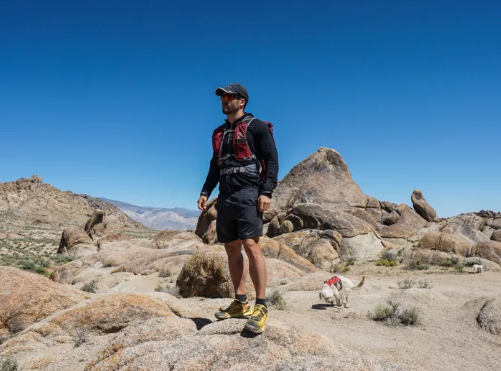
When it comes to hiking gear for travel and outdoor vacations, having the right equipment can make all the difference. It ensures not only your safety but also enhances your overall experience. Whether you’re a seasoned trekker or a casual hiker, knowing what to pack will allow you to focus on the beauty around you.
1. Essential Clothing for Hiking
Your clothing choice is crucial when spending time outdoors. Layering is key; it helps regulate your body temperature as conditions change. Start with moisture-wicking base layers to keep sweat away from your skin. Follow this with an insulating layer, like a fleece jacket, for warmth, and finish with a waterproof, breathable shell to protect against elements.
Don’t forget about your legs and feet; invest in high-quality hiking pants that allow for mobility and resist abrasion. Opt for breathable fabric that dries quickly and is lightweight. Good hiking boots are essential for protecting your feet, providing support, and ensuring traction on various terrains. Make sure to break them in beforehand to avoid blisters!
-
- Invest in moisture-wicking base layers.
-
- Choose a versatile, waterproof outer layer.
-
- Wear moisture-wicking socks to prevent blisters.
-
- Consider wearing a hat for sun protection.
-
- Pack an extra layer for unpredictable weather.
2. Navigational Tools and Safety Gear
Even the most scenic trails can become challenging without proper navigation tools. A compass and map should always accompany you, but don’t rule out modern technology; a GPS device or a hiking app on your smartphone can be incredibly helpful. Ensure your devices are fully charged before you head out, and bring a portable charger as a backup.
Safety gear is just as crucial. A first-aid kit should be tailored to the specific activities you will be doing, including items like adhesive bandages, antiseptic wipes, and pain relievers. A multi-tool can be a lifesaver, enabling you to perform various tasks, from gear repairs to food preparation, all while minimizing the burden.
-
- Bring a reliable map and compass.
-
- Download offline maps in case of poor signal.
-
- Include a customized first-aid kit in your gear.
-
- Carry a multi-tool for various tasks.
-
- Have a whistle on you for safety signaling.
3. Hydration and Nutrition Essentials
Staying hydrated is essential to maintaining your energy levels while hiking. Invest in a high-quality hydration system like a water bottle or a hydration pack. If you plan to hike for extended periods, consider a water filter or purification tablets to ensure a clean water supply. Carrying at least two liters of water per person is a good rule of thumb.
Nutrition is equally important for fueling your adventure. High-energy snacks like trail mix, energy bars, or jerky can keep your energy up during long stretches of walking. For longer outings, pack portable meals that require minimal preparation. Dehydrated meals are great because they are lightweight and only need boiling water.
-
- Carry at least 2 liters of water per person.
-
- Bring a reliable water filtration system.
-
- Pack high-energy snacks for quick energy boosts.
-
- Consider dehydrated meals for easy cooking.
-
- Always pack extra food in case of emergencies.
4. Backpacking Gear and Accessories
The backpack you choose is not just a vessel for your gear; it can be a game-changer for your comfort. Look for a backpack that fits your torso length and is equipped with padded shoulder straps and hip belts for balanced weight distribution. Capacities of 40-70 liters are great for day hikes to multi-day trips. Also, choose one with compartments to keep your gear organized.
Don’t forget about accessories that can enhance your hiking experience. A trekking pole can save your knees and provide stability on uneven ground. Lightweight rain covers for your backpack can protect your gear from sudden rain, while portable chargers and personal locator beacons can ensure safety in remote areas.
-
- Choose a backpack that fits well and has good support.
-
- Consider storage compartments for organization.
-
- Use trekking poles for better stability and support.
-
- Pack a rain cover for unexpected weather.
-
- Bring portable charging devices for your electronics.
5. Eco-friendly Equipment Choices
As outdoor enthusiasts, it’s our responsibility to protect the environments we love. Consider eco-friendly gear, such as biodegradable soap, reusable water bottles, and ethically made clothing. Brands are increasingly offering sustainable options, so look for certifications like Fair Trade or organic materials while shopping.
Also, practice the principles of Leave No Trace to minimize your impact. This means disposing of waste properly, sticking to marked trails, and respecting wildlife. Every small action counts to preserve our natural playgrounds for future generations.
-
- Look for eco-friendly gear and clothing.
-
- Pack biodegradable soap for cleaning.
-
- Practice Leave No Trace principles.
-
- Choose reusable containers for food and water.
-
- Avoid single-use plastics when possible.
Preparing for a hiking adventure involves thoughtful consideration of the gear you choose to bring. With the right equipment and mindset, you’re set to enjoy the great outdoors to its fullest. Don’t wait—start packing, plan your next hike, and immerse yourself in nature!