
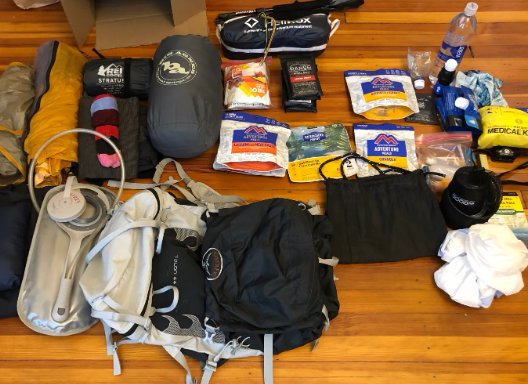
Embarking on your first hike can be an exhilarating experience, opening up a world of nature and adventure. However, having the right gear is essential for enjoying the journey and ensuring your safety. Let’s explore the essential hiking gear that every beginner should consider before hitting the trails.
1. Footwear: Your Foundation for Comfort
The right footwear can make or break your hiking experience. A good pair of hiking boots or shoes should provide adequate support and comfort, especially if you’re planning on tackling uneven terrain. Look for shoes with good traction and a breathable material to keep your feet dry and comfortable throughout your hike.
When selecting footwear, consider the length and type of trail you’ll be hiking. Trail running shoes may suffice for well-maintained paths, while more rugged trails might require sturdy boots with ankle support. Ensure that your footwear is broken in before the hike to avoid blisters.
-
- Choose shoes with a waterproof lining if expecting wet conditions.
-
- Try on hiking shoes with the socks you’ll wear during the hike.
-
- Consider orthotic inserts for additional arch support if needed.
-
- Check lacing systems for a secure fit.
2. Clothing: Dress for Success
Your clothing choice can significantly impact your hiking experience. The key to dressing appropriately is layering. Start with a moisture-wicking base layer to keep sweat away from your skin, followed by an insulating layer for warmth, and finish with a waterproof outer layer. This multi-layer approach allows you to adapt to changing weather conditions easily.
Avoid cotton fabrics as they retain moisture and can lead to discomfort. Instead, opt for synthetic or wool materials that keep you dry and warm. Additionally, wear lightweight, breathable clothing to help regulate your temperature during the hike.
-
- Invest in quick-drying socks to prevent blisters.
-
- Wear a hat for sun protection, especially in summer.
-
- Select cargo pants or shorts with pockets for convenience.
-
- Bring an extra layer in case the weather turns unexpectedly.
3. Backpack: Carry Your Essentials
A well-fitted backpack is vital for carrying your hiking essentials. When choosing a backpack, consider size and comfort; it should fit snugly but not be too tight. Look for features like padded straps and a hip belt to help distribute weight more evenly across your body.
Pack your bag strategically, placing heavier items close to your back and lighter items towards the front. This ensures better balance and reduces fatigue throughout your hike. Consider the length of your trek to determine what essentials to bring along.
-
- Utilize a hydration reservoir or water bottles to stay hydrated.
-
- Pack snacks like trail mix for energy during breaks.
-
- Include a first aid kit for minor injuries.
-
- Don’t forget to bring a map or GPS device for navigation.
4. Navigation Tools: Stay On Track
Understanding your route is essential for a safe hike. Traditional maps and compasses are still effective, but many hikers now rely on GPS devices and smartphone applications for navigation. Familiarize yourself with the technology or tools you choose to use, ensuring you know how to operate them before heading out.
Even if you plan to use digital navigation, it’s wise to carry a physical map as a backup in case of technical issues. Additionally, educate yourself about the area by researching trails and reading reviews from other hikers, providing insights into terrain and expected conditions.
-
- Always download maps for offline use if hiking in remote areas.
-
- Familiarize yourself with trail markers and signage.
-
- Check the weather forecast and trail conditions before leaving.
-
- Let someone know your hiking plan and return time.
5. Safety Gear: Prepare for the Unexpected
While hiking can be a peaceful activity, it’s important to be prepared for unexpected situations. A personal safety kit should include items like a whistle, a flashlight, and a multi-tool. These tools can be invaluable if you get lost or need to perform minor repairs on your gear.
Consider adding a portable phone charger to your kit to ensure your navigation or emergency contact capabilities remain functional. Additionally, sunscreen and insect repellent should not be overlooked, as sunburn and bug bites can quickly turn a pleasant hike into an uncomfortable experience.
-
- Always carry a whistle to signal for help if needed.
-
- Pack a small flashlight or headlamp for visibility in low light.
-
- Include a basic first aid kit with antiseptic wipes and band-aids.
-
- Keep spare batteries for your flashlight and any electronic devices.
In conclusion, investing in the right gear is fundamental for a smooth and enjoyable hiking experience. Being prepared not only enhances your adventure but also keeps you safe and comfortable on the trails. Take the next step by visiting local outdoor stores or consulting with experienced hikers to gather the best recommendations for your upcoming hiking journey.