
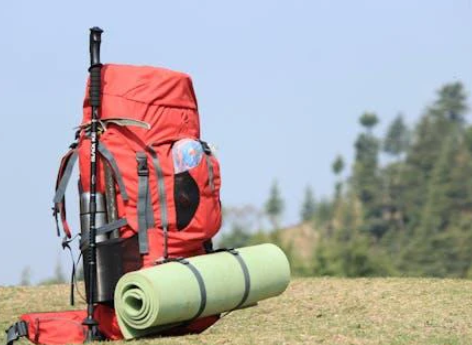
As the world becomes increasingly conscious of sustainability and technological advancements, the future of hiking gear development is poised for exciting changes. Innovative designs and materials are transforming how outdoor enthusiasts equip themselves, enhancing performance while minimizing environmental impact.
In this blog post, we will explore the emerging trends that are shaping the future of hiking gear, focusing on sustainable materials, smart technology, and customizable equipment solutions.
1. Sustainable Materials
The shift toward sustainability is more than just a trend; it’s a necessity. Many outdoor gear manufacturers are now prioritizing eco-friendly materials, such as recycled plastics, organic cotton, and biodegradable fabrics. These new materials not only reduce waste but also ensure that consumers can enjoy nature without negatively impacting the environment.
For example, brands like Patagonia are leading the way by utilizing recycled materials in their products, such as jackets made from plastic bottles. Additionally, eco-friendly innovations like hemp and bamboo are becoming popular choices due to their natural durability and low environmental footprint. This trend is expected to grow as consumers demand more sustainable options.
-
- Research brands that focus on sustainable practices.
-
- Look for certifications like Global Organic Textile Standard (GOTS).
-
- Consider buying second-hand gear to reduce waste.
-
- Educate yourself about sustainable practices in manufacturing.
-
- Support companies that engage in environmental initiatives.
2. Smart Technology Integration
The incorporation of smart technology in hiking gear brings a new level of safety and convenience. Worn devices like GPS watches and smart shoes can track your location, monitor vital signs, and even predict weather changes. This real-time feedback can prove invaluable when exploring remote trails.
Moreover, gear such as backpacks equipped with solar panels can charge your devices while on the go, ensuring you stay connected and safe in the wilderness. Companies are continually developing new apps that can sync with these devices, allowing hikers to prepare and adjust their adventures dynamically.
-
- Research the best smart devices tailored for hiking.
-
- Choose gear that balances feature richness and usability.
-
- Learn the app functionality before heading out.
-
- Test your gadgets in familiar settings before venturing far.
-
- Keep an emergency power bank as a backup.
3. Customizable Gear Solutions
Customization is set to revolutionize the hiking gear market, providing enthusiasts with more personalized options than ever before. Brands are beginning to offer adjustable features, allowing hikers to modify their equipment according to specific preferences or needs. This can range from interchangeable insoles in hiking boots to adjustable suspension systems in backpacks.
For instance, capable gear outfitting companies allow users to input personal measurements and preferences to create fit-perfect footwear. Such advancements not only enhance comfort during long hikes but also reduce the risk of injuries commonly associated with poorly fitting gear.
-
- Identify your specific hiking needs before purchasing gear.
-
- Check if brands offer customizable features.
-
- Secure a proper fit by trying gear before buying or return policies.
-
- Investigate adjustable equipment that suits various terrains.
-
- Read reviews on customizable products to understand user experiences.
4. Advanced Performance Fabrics
As hiking becomes increasingly popular, the demand for high-performance fabrics is also rising. Future gear will likely incorporate materials designed for specific conditions, such as moisture-wicking, breathability, and temperature regulation. Innovations such as phase-change materials, which adapt to body temperature, are already making waves.
These advanced fabrics help regulate body heat and moisture, enhancing comfort during fluctuating climates. Notably, brands like The North Face are experimenting with these advancements, ensuring that hikers are protected from the elements while retaining high levels of comfort.
-
- Understand the weather conditions you’ll face while hiking.
-
- Choose fabrics suited to specific conditions (e.g., waterproof vs. breathable).
-
- Explore layering options for temperature regulation.
-
- Invest in gear with UV protection for sunny hikes.
-
- Check wash and care instructions to maintain fabric performance.
5. Community Insights and User-Driven Development
The future of hiking gear development will increasingly be influenced by the hiking community itself. Companies are beginning to engage with outdoor enthusiasts, seeking feedback to tailor their designs more effectively. Platforms for sharing experiences and preferences are emerging, allowing manufacturers to create gear that truly meets the needs of users.
User-driven development not only fosters innovation but also creates a sense of community among outdoor enthusiasts. By sharing their experiences, hikers help shape the products that will ultimately improve their adventures, making this a cyclical trend that will continue into the future.
-
- Join communities or forums focused on hiking gear discussions.
-
- Participate in surveys or opportunities for product testing.
-
- Share your hiking experiences online to contribute to collective insights.
-
- Follow brands that value community input in their development process.
-
- Stay updated on trends through social media and blogs.
The future of hiking gear development holds immense potential to enhance our outdoor experiences while maintaining a commitment to sustainability and innovation. As you plan your next outdoor adventure, consider embracing these emerging trends to better equip yourself. Dive into research, join the community, and prepare to explore the great outdoors like never before!