
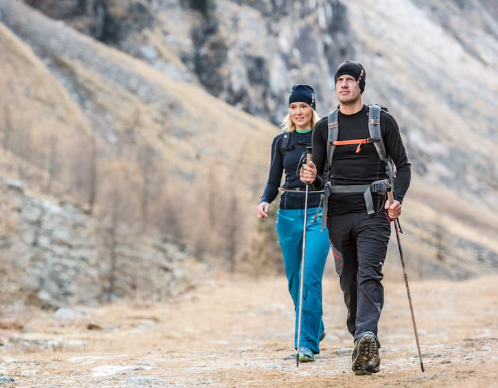
As the love for the great outdoors grows, so does the need for sustainable hiking gear. Responsible hikers are increasingly aware of how their choices impact the environment. In this blog post, we’ll explore various eco-friendly gear options that can enhance your hiking experience while protecting nature.
1. Eco-Friendly Footwear
Your feet are your primary tools while hiking, and wearing the right shoes can make all the difference. There are several brands now producing sustainable footwear, using materials like recycled plastics, organic cotton, and natural rubber. Brands such as Allbirds and Merrell have developed lines of shoes that not only provide comfort and durability but also minimize environmental impact.
Additionally, it’s important to consider the life cycle of the products you purchase. Sustainable brands often provide take-back programs that help recycle old footwear, ensuring they don’t end up in a landfill. Investing in high-quality shoes designed to last not only benefits the environment but also saves money in the long run as you won’t need to replace them as frequently.
-
- Choose brands committed to sustainable materials.
-
- Look for take-back programs for old shoes.
-
- Avoid fast fashion footwear that contributes to waste.
-
- Research footwear that emphasizes durability over disposability.
2. Reusable Hydration Solutions
Staying hydrated while hiking is crucial, but the traditional single-use plastic bottles contribute significantly to environmental pollution. Instead, consider investing in a durable, reusable water bottle made of stainless steel or BPA-free plastic. Brands like Klean Kanteen and CamelBak produce excellent options that keep your drinks at the desired temperature while reducing plastic waste.
Another great option is a hydration reservoir or bladder that fits in your backpack. These systems allow for hands-free hydration, which is practical for longer hikes. Make sure to regularly clean your hydration solutions using a mixture of vinegar and water to prevent mold and bacteria growth, ensuring safe drinking water on the trail.
-
- Purchase a high-quality reusable water bottle or hydration bladder.
-
- Always carry enough water for your hike to avoid dehydration.
-
- Use a cleaning method periodically to maintain your hydration system.
-
- Reuse water bottles for other purposes at home to extend their life.
3. Sustainable Clothing Choices
The clothing you wear while hiking can have a significant environmental footprint, from production to disposal. Look for brands that produce apparel from recycled materials or eco-friendly fabrics, such as Tencel or organic cotton. Companies like Patagonia and prAna prioritize sustainability in their manufacturing processes, producing gear designed for performance and longevity.
In addition to material choice, consider the practicality of your outdoor clothing. Layering is key to adapting to changing weather conditions, so seek out base layers, mid-layers, and outer shells that are lightweight, packable, and breathable. Versatile pieces can often replace the need for multiple items, saving space and reducing clutter in your hiking gear stash.
-
- Research brands prioritizing sustainable manufacturing practices.
-
- Opt for versatile, multi-layer clothing to increase adaptability.
-
- Invest in quality gear designed for long-term use.
-
- Consider second-hand gear before purchasing new clothing.
4. Gear and Equipment from Sustainable Sources
From tents to backpacks, the materials and production processes used in outdoor gear can vary widely in sustainability. Look for equipment made from recycled or biodegradable materials. Moreover, many companies, like MSR and Big Agnes, focus on environmentally friendly practices, producing durable gear designed to last.
When choosing a tent or backpack, consider the longevity and how easily it can be repaired. Many brands offer replacement parts and repair services, which extend the life of your gear. This not only saves you money but also helps to reduce waste and your overall ecological footprint.
-
- Research equipment made from recycled or biodegradable materials.
-
- Opt for brands that offer repair services and replacement parts.
-
- Choose durable gear designed for long-term use.
-
- Inquire about sustainability in the production process when buying gear.
5. Eco-Conscious Accessories
Accessories often get overlooked, yet they play a vital role in your hiking experience. From reusable utensils and bowls to biodegradable soap for cleaning up after meals, consider opting for essential pieces that minimize your footprint. Brands like Toaks and Sea to Summit offer lightweight, sustainable cooking gear perfect for backpacking scenarios.
Additionally, don’t forget about the importance of good waste management while on the trail. Packing out what you pack in is crucial to maintaining the beauty of nature. Carry a small trash bag specifically for disposing of any waste and look for biodegradable options for items like toiletries.
-
- Invest in lightweight, reusable cooking and eating accessories.
-
- Practice Leave No Trace principles to minimize impact.
-
- Consider eco-friendly personal hygiene products.
-
- Carry a trash bag on hikes to collect any waste you find.
In conclusion, choosing sustainable outdoor gear is a significant step toward responsible hiking. By making thoughtful decisions regarding your equipment, clothing, and accessories, you can enjoy nature while preserving it for future generations. Embrace eco-friendly practices on your next hike and inspire others to join you in sustainable outdoor adventures.