
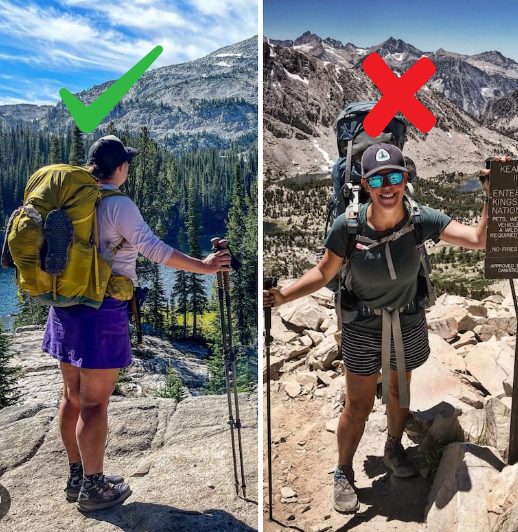
Hiking is an incredible way to connect with nature, improve fitness, and find adventure. However, beginners often make gear mistakes that can lead to discomfort or even dangerous situations. Understanding these common pitfalls can make your hiking experience much more enjoyable.
1. Choosing the Wrong Footwear
One of the most critical decisions beginners face is selecting the right footwear. Many new hikers may opt for shoes based solely on style rather than functionality. Hiking shoes should offer proper support, traction, and fit, especially if you plan on traversing uneven terrain. Look for shoes specifically designed for hiking that include features like waterproof materials, cushioning, and good grip. Poorly fitting shoes can lead to blisters and discomfort, making your hike less enjoyable.
Additionally, the choice between hiking shoes, boots, or trail runners is vital. Hiking boots offer ankle support and are ideal for rugged terrain, while trail runners are lightweight and breathable for easier trails. If you’re uncertain, trying on multiple styles and testing them out in-store can help you determine which footwear feels best. Your feet are your most important asset on the trail, so invest time and thought into their protection.
-
- Try on hiking shoes later in the day when your feet are a bit swollen.
-
- Ensure there’s enough room for your toes to wiggle but snug enough to avoid slipping.
-
- Consider the type of hiking you’ll do to choose appropriate footwear.
-
- Break in your hiking shoes before tackling a long hike.
2. Overpacking or Underpacking
Beginners often struggle with how much gear and supplies to bring along on their hikes. Overpacking can lead to unnecessary weight, making your trek exhausting, while underpacking may leave you ill-prepared for emergencies. A good rule of thumb is to pack a mix of essentials and comfort items tailored to your hike’s length and conditions. Think about bringing essentials like food, water, a first-aid kit, and navigation tools.
Balancing your pack can also save you from fatigue. Consider using a lightweight backpack that distributes weight evenly. Additionally, leaving behind unnecessary items, such as heavy cookware or excessive clothing layers, can significantly lighten your load. A streamlined pack leads to a more enjoyable experience, allowing you to focus on the scenery rather than your aching back.
-
- List essential items based on the duration and difficulty of the hike.
-
- Choose lightweight, multi-purpose gear to save space and weight.
-
- Include a basic first aid kit and a reliable water source.
-
- Re-evaluate your pack after your first few hikes to fine-tune what you need.
3. Neglecting Weather Conditions
Weather conditions can change rapidly, and many beginners overlook the importance of preparing for them. Failing to check the forecast ahead of time can result in being caught in rain, snow, or extreme temperatures, leaving you vulnerable. Always check the weather report for the day of your hike and the days leading up to it. Depending on the forecast, you may need to adjust your choice of clothing and gear accordingly.
Dressing in layers is one of the best strategies for managing temperature changes throughout your hike. This allows you to add or remove clothing as you warm up or cool down. Additionally, investing in a reliable waterproof jacket can save you from a soaking rain shower. Pay attention to the wind and humidity levels, as these can significantly affect your comfort out on the trail.
-
- Always check the local weather report before heading out.
-
- Dress in layers to easily adjust to changing conditions.
-
- Bring a waterproof jacket and suitable accessories like gloves or hats.
-
- Carry emergency gear like a space blanket in case of sudden weather changes.
4. Ignoring Navigation Tools
Another common mistake among beginner hikers is relying solely on cell phones for navigation. While smartphones can be helpful, they’re not foolproof—battery life can drain quickly, and you may lose reception in remote areas. Therefore, it’s crucial to always have a physical map or a compass with you, even if you plan to use a GPS. Learning how to read a map can enhance your navigation skills and make you less reliant on technology.
You might also consider downloading offline maps or hiking apps before your hike. This can come in handy if you find yourself in an area with poor connectivity. When planning your hike, become familiar with the trail, including any intersections and landmarks to ensure you maintain your sense of direction throughout your journey.
-
- Always carry a physical map and a reliable compass.
-
- Learn basic navigation skills to reduce reliance on technology.
-
- Familiarize yourself with the trail beforehand, noting key points.
-
- Download offline maps to prepare for areas with poor cell service.
In conclusion, being mindful of common hiking gear mistakes can make your experience more enjoyable and safe. From choosing the right footwear to being aware of weather conditions and navigation tools, thoughtful preparation sets you up for success. So lace up your boots, pack wisely, and hit the trails with confidence!