
Hiking gear is an essential part of your outdoor adventures, providing comfort, protection, and support. However, gear doesn’t last forever, and knowing when to replace worn equipment is key to ensuring safety and enhancing your hiking experience. This guide will help you identify the signs of wear and tear for your gear and provide actionable tips for timely replacements.
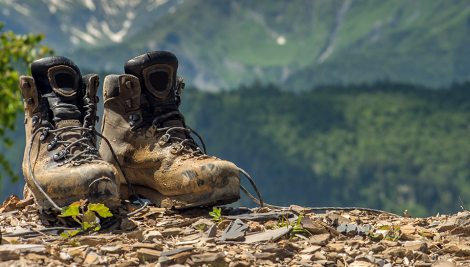
1. Footwear: Knowing When It’s Time to Replace Your Boots
Your hiking boots serve as your foundation on the trails, and their condition directly impacts your comfort and safety. Common signs of wear include worn-out soles, visible cracks, or reduced cushioning. If you notice decreased traction or feel more fatigue than usual on your hikes, it’s likely time to invest in a new pair. Remember, your feet deserve the best support during long treks!
- Check for sole wear—smooth soles signal diminished grip.
- Look for cracks or holes in the upper part of the boot.
- Inspect the cushioning; if you feel rocks through your soles, replace them.
- Monitor your foot fatigue during hikes; increasing discomfort can indicate worn boots.
2. Clothing: Signs Your Hiking Apparel Needs Replacing
Your hiking clothes are designed to wick moisture, insulate, and protect you from the elements. If you find your garments no longer provide these benefits, it might be time to look for replacements. Look for signs such as loss of elasticity or insulation, as well as excessive fading or discoloration. If your clothes are not keeping you warm or cool, they may have lost their functionality.
Another major indication of the need for new hiking clothes is the presence of holes or tears. Even small rips can compromise the protective qualities of your gear, particularly in jackets and pants. Regularly check your gear, especially after a trip, to ensure it’s in top condition for your next adventure.
- Inspect for tears or holes, especially in high-impact areas like knees and elbows.
- Test waterproof jackets by running water over the surface; if it seeps in, replace it.
- Check for odor retention that washing can’t resolve; it might be time to retire old gear.
- Evaluate the fit; if clothing is excessively baggy or tight, consider new options.
3. Packs and Accessories: When to Update Your Gear
Your backpack is crucial for carrying supplies comfortably and securely while on the trail. Signs of wear on packs may include fraying straps, broken zippers, or a compromised frame that affects weight distribution. If you struggle with discomfort or feel that the capacity is no longer matching your needs, it might be an indicator that it’s time to upgrade.
Additionally, pay attention to pockets or compartments that have become too small to hold essential gear or accessories. Safety items like headlamps or first-aid kits need to be accessible, and a subpar backpack can detract from efficient organization on the trail.
- Inspect zippers for functionality; they should glide smoothly without snagging.
- Check the integrity of the frame; any deformation can lead to poor weight support.
- Reorganize contents; if you can’t fit essential gear, your pack may be too small.
- Evaluate padding; insufficient or reduced cushioning can lead to discomfort.
4. Trekking Poles: When to Know They’re Done
Trekking poles offer stability and reduce strain on your joints, making them a valuable addition to your hiking kit. Over time, poles can wear out—whether due to cracks, bending, or a failure of locking mechanisms making them adjustable. If they aren’t offering proper support or if you feel unsafe relying on them, it might be time to replace them.
Also, consider the tips of your trekking poles. If they’ve worn down to the point of metal showing or if rubber tips are missing, they can lose traction on trails. An unstable pole can lead to accidents, especially in challenging terrains, so don’t overlook the state of your equipment here.
- Inspect poles for bends or visible cracks; these can be safety hazards.
- Test the locking mechanism; if it feels loose, it’s time for an upgrade.
- Check the tips for wear; ensure they’re still in good condition for traction.
- Evaluate your comfort; if using poles feels awkward or heavy, consider new options.
Keeping an eye on the condition of your hiking gear is essential for safety and enjoyment on your adventures. Regular checks and replacing worn items will make your trails safer and your trips more enjoyable. Take the time to assess your gear now, and prepare for your next outdoor excursion with confidence! Remember, in hiking, as in life, safety always comes first.