
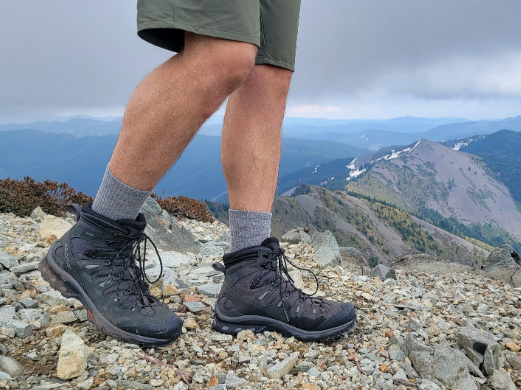
Choosing the right hiking boots is crucial for ensuring comfort and safety on your outdoor adventures. With various options available, understanding what to consider will help you make an informed decision. Here, we’ll cover key aspects to keep in mind while selecting the perfect pair of hiking boots.
1. Fit is Everything
When it comes to hiking boots, the fit is paramount. A properly fitting boot should feel snug but not overly tight. This ensures that your feet won’t slide around during hikes, which can cause blisters and discomfort. Make sure to try boots on with the type of socks you plan to wear during your hikes, as this helps in getting a more accurate fit.
It’s advisable to try boots later in the day when your feet are naturally swollen from daily activities. Walk around the store, climb stairs, or even simulate hiking movements to see how the boots respond. Look for a finger’s width of space between your toes and the front of the boot, which will provide adequate comfort on descents.
-
- Measure both feet; one foot may be larger than the other.
-
- Wear appropriate hiking socks when trying on boots.
-
- Walk on different surfaces in the store to assess comfort.
-
- Pay attention to the heel; it should stay snug without slipping.
2. Material Matters
The material of your hiking boots significantly affects their performance and comfort. Common materials include leather, synthetic, and a combination of both. Leather is durable and offers excellent resistance to water and abrasions, making it a popular choice among hardcore hikers. However, it tends to be heavier and requires a longer break-in period.
Synthetic materials, like nylon and polyester, are lighter and often more breathable, but they may lack durability compared to leather. When choosing a material, consider the climate in which you’ll be hiking and the level of comfort you desire. For wet conditions, waterproof options like Gore-Tex might be beneficial, while breathable fabrics work well in warmer climates.
-
- Research different materials before a purchase.
-
- Consider the weather conditions you usually hike in.
-
- Look for boots with a breathable lining if hiking in warmer areas.
-
- Opt for a waterproof option if you’ll encounter wet trails.
3. Don’t Overlook Sole Support
The sole of your hiking boots plays a significant role in comfort and stability. A good sole offers traction and shock absorption essential for navigating uneven terrain. Look for boots with a rugged outsole made of rubber, providing grip on slippery and rocky surfaces. The midsole should provide cushioning and support to absorb the impact of hiking.
Different types of soles cater to specific hiking needs. For example, if you’re planning to hike on rocky paths, consider boots with stiffer soles for better support. If you plan to hike on softer trails or flat terrain, a more flexible sole can enhance comfort. Always check the boot’s flexibility and traction during your fitting session.
-
- Test the stiffness of the sole; it should be firm but not unyielding.
-
- Look for soles with good tread patterns for better grip.
-
- Consider the type of terrain you’ll hike when evaluating sole support.
-
- Pay attention to the cushioning in the midsole for added comfort.
4. Break Them In
Even the best hiking boots can lead to discomfort if you head out on a long hike with brand-new footwear. It’s essential to break them in before hitting the trail. Wear your new boots at home, gradually increasing the duration as your feet adjust to the new shape and feel. This process allows you to identify any pressure points or areas causing discomfort before embarking on a significant hike.
Consider short walks or even light hikes to give your boots a more thorough test. This practice not only helps your feet adjust but also allows you to get familiar with how the boots perform over different terrains. Remember, a boot that is comfortable after a short walk might feel different after a few miles.
-
- Wear your new boots at home to break them in.
-
- Start with short walks before longer hikes.
-
- Use them for daily activities to get accustomed.
-
- Monitor for any discomfort and adjust accordingly.
5. Consider Your Hiking Style
Your hiking style plays a critical role in choosing the right boots. Factors like the type of terrain you traverse, the weight of your backpack, and the length of your hikes all influence the kind of boots you should pick. For example, lightweight day hikes may only require mid-cut boots, while multi-day treks with heavier loads may necessitate full boots for additional support and protection.
Additionally, consider the elevation of your hikes. If you’re tackling mountainous terrain, look for boots offering ample ankle support and superior grip. If you’re more of a casual hiker, lightweight, low-cut boots might be sufficient. Ultimately, selecting boots that match your hiking style ensures that you’ll enjoy your adventures without discomfort.
-
- Assess the type of hikes you usually undertake.
-
- Match boot height and support to your hiking style.
-
- Consider the type and weight of your gear.
-
- Choose footwear appropriate for the terrain you often hike.
Choosing the best hiking boots involves careful consideration of fit, material, support, and lifestyle. By taking the time to evaluate these factors, you can ensure a comfortable and enjoyable hiking experience. Don’t hesitate to consult with outdoor gear experts or try different options until you find the perfect pair. Happy hiking!