
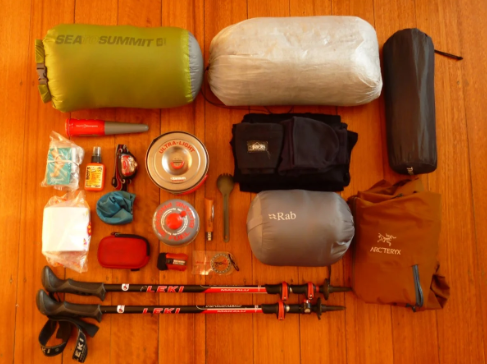
When it comes to exploring the great outdoors, understanding the difference between hiking gear and backpacking gear is essential for a successful adventure. While both types of equipment share similarities, they are tailored for different experiences, ensuring you have the right tools for your journey.
1. Purpose and Duration of Use
The most significant difference between hiking gear and backpacking gear lies in the purpose and duration of use. Hiking gear is designed primarily for day trips. It focuses on comfort and convenience, offering lightweight options such as hydration packs and day backpacks. On the other hand, backpacking gear caters to multi-day trips, featuring specialized equipment that supports sustained use over several days, including tents, sleeping bags, and cooking gear.
This distinction means that if you’re planning a short hike to a scenic viewpoint, the gear requirements will be less intensive than if you’re trekking through the wilderness for several days. For example, a casual day hike might only require a set of durable shoes, a water bottle, and a light snack, whereas a backpacking trip necessitates a more comprehensive inventory of supplies to ensure safety and comfort during your extended stay in the wild.
-
- Assess the length of your trip before choosing gear.
-
- Consider weight and volume; day trips allow for lighter packs.
-
- Make sure to pack food and hydration based on your adventure’s duration.
-
- Plan for weather conditions to choose appropriate gear.
2. Equipment Characteristics
Hiking gear generally prioritizes portability and ease of access. Items like trekking poles and light jackets are designed to be easily packed and quickly adjusted during your hike. The goal is to minimize fatigue and maximize enjoyment without the burden of heavy loads. Additionally, many hiking gear options are often more affordable and designed for less intensive use.
In contrast, backpacking gear offers more durability and shelters users from the elements. Backpacking tents are built to withstand wind and rain, while sleeping bags are insulated for warmth. Cooking systems, such as portable stoves, are made to be compact yet efficient, providing you with vital sustenance. Each component often comes with a higher price tag, reflective of its durability and functionality over longer periods.
-
- Choose lightweight clothing that allows for freedom of movement.
-
- Look for rugged, durable gear that can withstand a variety of weather conditions.
-
- Invest in an efficient cooking system if your trip spans several days.
-
- Explore multifunctional tools to save space and weight.
3. Storage and Organization
When it comes to hiking gear, storage tends to be simpler and geared toward quick access. Daypacks usually feature one or two compartments, making it easy for you to grab essentials like snacks and maps without digging through layers of packed goods. The emphasis is on having a few items readily available as you navigate the trails.
Conversely, backpacking gear requires more thoughtful organization due to the varied needs over multiple days. Backpacking packs often come with multiple compartments and pockets, allowing you to keep your gear organized and easy to reach. Some even have features like hydration reservoirs to ensure you stay hydrated throughout your hike. Being organized can significantly improve the overall experience, reducing the time spent searching for critical items.
-
- Choose bags with adequate compartments to keep items organized.
-
- Use packing cubes for easier organization within backpacks.
-
- Consider hydration systems to simplify water access.
-
- Keep a checklist to ensure all items are packed correctly.
4. Weight and Comfort
A crucial aspect that distinguishes hiking gear from backpacking gear is weight and comfort. Hiking gear is designed to be lightweight and comfortable for short durations, allowing you to move freely and enjoy the scenery. Items like lightweight shoes and minimalistic packs help contribute to a more enjoyable experience, particularly on well-trodden trails.
In contrast, backpacking gear may be bulkier and heavier since it’s built to support various functions and maintain comfort over several days. While efficiency is essential, weight management is also a crucial consideration. Advances in material technology have led to the development of ultralight options that still provide necessary support without the excessive weight, enabling you to hike comfortably for longer.
-
- Try on gear and assess comfort levels before purchasing.
-
- Consider the trade-off between weight and durability; choose what fits your needs.
-
- Pay attention to weight distribution in your pack for better balance.
-
- Test your gear on shorter trips before embarking on longer backpacking adventures.
In conclusion, recognizing the differences between hiking and backpacking gear is vital for any outdoor enthusiast. Whether you’re tackling a day hike or a multi-day trek, investing in the right equipment will enhance your experience and keep you prepared. For better results, evaluate your needs and plan ahead to ensure your gear complements your adventure. Happy exploring!