
Embarking on a hiking adventure requires more than just determination; it also mandates the right gear to ensure both safety and comfort. Whether you’re a seasoned trekker or a novice, understanding the essential elements of hiking gear can significantly enhance your experience. In this guide, we’ll explore key gear categories that will help you make informed purchasing decisions.
1. Footwear: The Foundation of Your Adventure
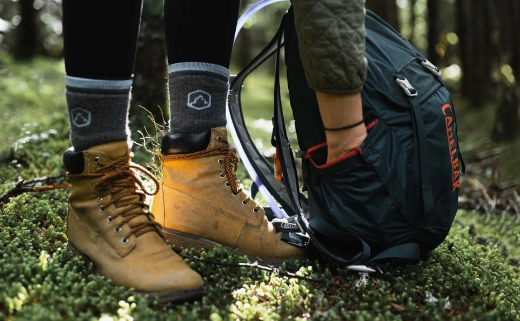
Your hiking footwear is arguably the most critical component of your gear. A good pair of hiking boots or shoes provides not just comfort but also essential support and traction on various terrains. For example, waterproof options are vital if you anticipate wet conditions, while breathable materials are beneficial for warmer climates. Remember to try on your footwear with the socks you plan to wear during hikes to ensure you get the right fit and avoid blisters.
Furthermore, consider the type of hikes you plan to undertake. An aggressive tread might be necessary for rocky, technical trails, while lighter footwear could suit easier, flat paths. Don’t overlook the importance of breaking in your footwear; wearing them around the house and on short walks can prevent discomfort on longer hikes.
-
- Always try on shoes with hiking socks.
-
- Research if you need waterproof or breathable options.
-
- Break in your footwear before hitting the trails.
-
- Look for shoes with good ankle support if needed.
2. Clothing: Layering for Comfort and Protection
The right clothing can greatly influence your hiking experience by regulating your body temperature, providing protection from the elements, and ensuring comfort. The layering system is essential in this regard—starting with a moisture-wicking base layer, followed by an insulating mid-layer, and concluding with a waterproof and windproof outer layer. For instance, merino wool base layers are a popular choice due to their moisture-wicking properties and insulation capabilities.
Furthermore, pay attention to the fit and functionality of your hiking attire. Clothing should allow full range of motion and be breathable to help manage sweat. Accessories like hats, gloves, and gaiters can further enhance your outfit, offering extra warmth or protection against ticks and scratches from vegetation.
-
- Utilize a layering system: base, mid, and outer layers.
-
- Choose moisture-wicking and quick-drying fabrics.
-
- Never underestimate accessories like hats and gloves.
-
- Opt for loose-fitting clothing to allow for movement.
3. Essential Gear: Tools for Safety and Navigation
Beyond clothing and footwear, having the right essential gear can be the difference between a successful hike and a lost adventure. Items like maps, compasses, and GPS devices are invaluable for navigation, while first aid kits, multi-tools, and emergency supplies can enhance your safety. Even something as simple as a whistle can signal for help if you find yourself in a tight spot.
Additionally, consider packing a hydration system, such as a water bladder or bottles, to keep you hydrated. In areas where water sources are limited, utilizing a portable water filter or purification tablets can ensure you have access to safe drinking water. A lightweight backpack will help carry all this essential gear without adding unnecessary bulk.
-
- Always carry a map and compass, even if you use GPS.
-
- Include a first aid kit with items specific to your needs.
-
- Packing a lightweight backpack can help distribute weight.
-
- Don’t forget a hydration system to stay well-hydrated.
In conclusion, making smart decisions when it comes to buying hiking gear can greatly enhance your outdoor experience. By focusing on footwear, clothing, and essential tools, you’re not only preparing for hikes but also ensuring safety and comfort. Start researching gear, plan carefully, and get ready for your next adventure!