
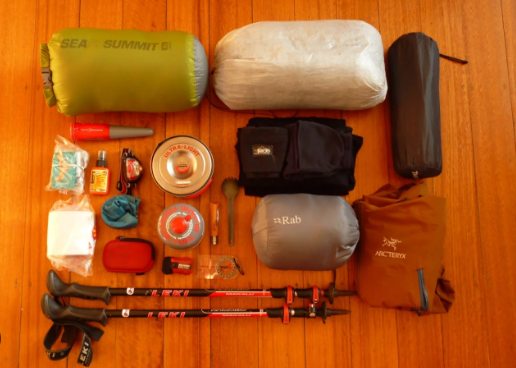
Minimalist hiking is all about enjoying nature without the burden of heavy gear. By focusing on essential items, you can hike comfortably and efficiently while truly enjoying the experience. Below is a thoughtfully curated minimalist hiking gear list to help you prepare for simple hikes.
1. Footwear
Choosing the right footwear is crucial for any hiking adventure. Look for lightweight hiking shoes or trail runners that provide good traction and support. These options are often more comfortable for short hikes compared to heavy boots, allowing for more agility and less fatigue. Trail runners often dry quickly and are versatile enough for various terrains, making them an ideal choice.
When selecting your footwear, consider your specific hiking conditions. If you’re hiking in wet or muddy areas, waterproof shoes can be a beneficial addition. Check for features like good cushioning and breathability to ensure you have a pleasant hiking experience, regardless of the length of your trail.
-
- Opt for lightweight shoes or trail runners.
-
- Ensure a snug fit to prevent blisters.
-
- Consider water resistance if hiking in damp conditions.
-
- Bring extra socks for a quick change if needed.
2. Clothing Layers
Dressing in layers is essential for a minimalist hike, as it allows you to adjust to changing weather conditions. Start with a moisture-wicking base layer that will keep you dry and comfortable. Fabrics like merino wool or synthetic materials work well, trapping warmth while allowing sweat to escape. The middle layer should provide insulation; a lightweight fleece is an excellent choice for warmth without bulk.
Your outer layer should be windproof and waterproof, especially if there’s a chance of rain or wind. A lightweight, packable jacket is an excellent option, as it can easily fit into your backpack. Don’t forget to choose breathable fabrics that prevent overheating and excess sweating, ensuring you stay comfortable throughout your hike.
-
- Wear moisture-wicking base layers.
-
- Include a light fleece or insulation layer.
-
- Pack a windproof and waterproof jacket.
-
- Consider temperature fluctuations when dressing.
3. Hydration System
Staying hydrated is vital during any hike, no matter how short. Consider investing in a lightweight hydration reservoir or a reusable water bottle that fits easily in your pack. A bladder with a tube allows for easy sipping while on the move, preventing unnecessary stops to hydrate. Always calculate how much water you’ll need based on the duration of your hike and the weather conditions.
It’s also a good idea to bring a water purification method if you plan to refill along the way. Compact filters and purification tablets can make this process easier and more reliable. Remember that having a hydration plan can significantly enhance your hiking experience, keeping your energy levels consistent throughout the journey.
-
- Choose a hydration bladder or a sturdy bottle.
-
- Calculate the necessary water based on hike duration.
-
- Consider packing a water filter for refills.
-
- Keep water accessible in your pack.
4. Navigation Tools
Even on simple hikes, having navigation tools is essential to ensure you don’t stray off the trail. A lightweight compass and a well-marked map can be invaluable. Many smartphone apps are available, but ensure your device is charged, and you have a backup method in case of tech failure. Familiarizing yourself with the trail ahead of time will help you to visualize landmarks and stay on course.
It’s beneficial to know how to use your navigation tools effectively. Committing key locations or features of the terrain to memory can enhance your orientation. Before heading out, practice using your map and compass at your local park or area to build your confidence in field navigation techniques.
-
- Carry a physical map and compass.
-
- Familiarize yourself with the trail before hiking.
-
- Use navigation apps while also having a backup option.
-
- Practice using your tools to build confidence.
5. Safety Essentials
Safety should always be a priority while hiking. A simple first aid kit is a must-have for even short hikes, including essentials like pain relief, antiseptic wipes, and band-aids. Additionally, packing a multi-tool or knife can help you tackle various unexpected situations. Ensure you also have a small flashlight or headlamp for hikes that may extend into the evening.
It’s wise to share your planned route with someone who isn’t accompanying you. Informing someone of your whereabouts can be a lifesaver in case of emergencies. Also, consider packing a whistle; it can be an effective way to signal for help without expending energy trying to shout.
-
- Include a basic first aid kit in your gear.
-
- Bring a multi-tool or knife for versatility.
-
- Carry a flashlight or headlamp.
-
- Always inform someone of your hiking plan.
Embracing a minimalist hiking approach allows you to connect more deeply with nature while reducing the stress of managing excessive gear. Whether you’re planning a short walk in the woods or tackling a more challenging trail, sticking to the essentials will enhance your overall experience. Now that you’re equipped with this checklist, it’s time to head out and enjoy the great outdoors!