
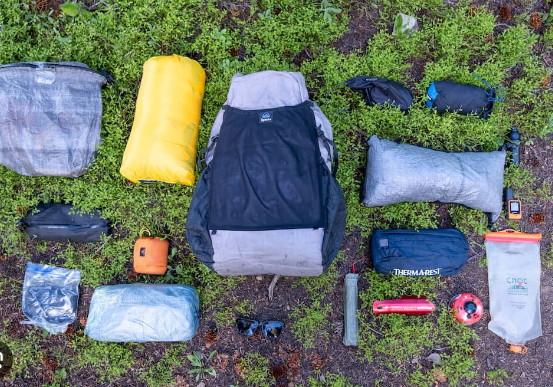
Packing for hiking doesn’t have to be a daunting task, especially when you’re aiming for travel-friendly gear. With the right compact items, you can journey light while still having everything necessary for an enjoyable outdoor experience. Let’s explore essential compact hiking gear that can fit seamlessly into any travel arrangement.
1. Lightweight Tents
When it comes to minimizing bulk, lightweight tents are game changers for hiking trips. Modern materials, such as ultralight nylon, allow manufacturers to create tents that weigh just a few pounds without sacrificing durability. For instance, tents like the Big Agnes Copper Spur HV UL or the REI Quarter Dome SL compress down to fit in a backpack while offering ample space for two campers.
A good compact tent should be easy to set up and dismantle. Pop-up features can be particularly beneficial if you’re on the go. Look for features like waterproof coatings and quality stitching to ensure that your tent performs well in various conditions while remaining compact.
-
- Choose a tent that packs down to under 3 pounds.
-
- Ensure the tent is waterproof and has a good weather rating.
-
- Look for poles that are lightweight and easy to assemble.
-
- Consider a footprint to protect the tent floor without adding significant weight.
2. Folding Cooking Gear
Cooking while hiking is often simplified with foldable cookware. Many brands now offer compact cooking systems that include a pot, pan, and even a stove that can collapse neatly. A popular choice is the Jetboil Zip, which combines a cooking pot with a integrated burner for efficient meal preparation and easily stows in your backpack.
Another essential cooking item is a lightweight titanium spork, which can serve dual functions and eliminates the need for separate utensils. Cooking gear should prioritize efficiency, compactness, and fuel efficiency to ensure that you have access to hot meals without lugging around bulky pots and pans.
-
- Invest in a folding stove that fits into a compact carry bag.
-
- Choose pots and pans made of lightweight materials like titanium or anodized aluminum.
-
- Opt for multi-functional tools like a spork or multi-tool knives.
-
- Pack lightweight, freeze-dried meal options that require minimal cooking time.
3. Compact Clothing Options
When you’re out on the trails, packing the right clothing is not only about comfort but also about how little space it occupies. Look for clothing made from breathable, quick-dry fabrics that provide insulation without the bulk. Companies like Columbia and Patagonia offer lightweight layers that can be compressed into small pouches, making them travel-friendly options.
Additionally, consider merino wool for base layers as it regulates body temperature effectively and remains odor-free after multiple wearings. Packable jackets, particularly those made with down insulation, not only provide warmth but can be stuffed into their own pockets to save space.
-
- Select moisture-wicking fabrics for base layers.
-
- Include a packable down jacket or vest for warmth.
-
- Opt for versatile clothing that can be layered for various weather conditions.
-
- Bring clothing that can be easily washed and dried on the go.
4. Compact Hydration Solutions
Staying hydrated is crucial during hikes, and compact hydration systems make this easier without sacrificing space. Collapsible water bottles are a great option; they can be flattened or rolled up when empty. Brands like Hydrapak offer flexible hydration reservoirs that are easy to pack and fill when needed.
Furthermore, consider a water filter or purification system that is lightweight and portable. Personal filtration straws, such as the LifeStraw, allow you to drink directly from a water source, saving you from carrying heavy water bottles. Always choose filtration options that are easy to use and clean.
-
- Invest in a collapsible water bottle for easy packing.
-
- Use a portable water filter for direct access to clean water.
-
- Ensure your hydration pack or bottle has a wide mouth for easy filling.
-
- Remember to clean your hydration gear regularly to prevent contamination.
5. Compact First Aid Kits
A compact first aid kit can be a lifesaver during outdoor adventures. Instead of lugging around a traditional bulky kit, consider investing in a small emergency kit that includes essentials such as band-aids, antiseptic wipes, pain relief meds, and adhesive strapping. Brands like Adventure Medical Kits offer compact options that contain most of what you might need without the extra weight.
Moreover, consider customizing your kit with items specific to your needs. If you know you’ll be hiking in remote areas, adding extra gauze or a more comprehensive antiseptic solution can enhance your preparedness. Regularly check your kit before each trip to ensure everything is in working order and within expiration dates.
-
- Check that your first aid kit includes the basics: band-aids, antiseptics, pain relievers.
-
- Customize your kit based on your hiking terrain and duration.
-
- Make sure the kit is waterproof or kept in a waterproof bag.
-
- Review and replenish your kit regularly before each hike.
Choosing compact hiking gear not only helps you travel light but can also enhance your overall experience in nature. As you plan your next adventure, consider investing in these items to help streamline your packing process. Start embracing the thrill of hiking with less weight and more freedom!