
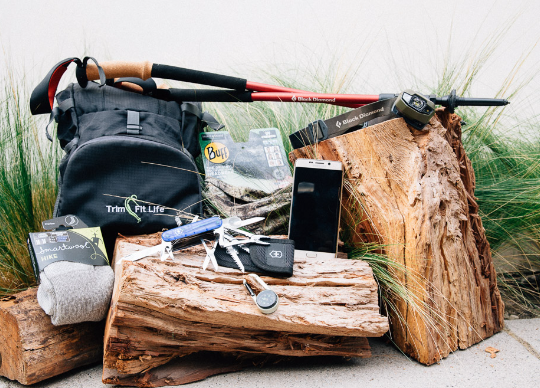
When planning a hiking trip over rough terrain, the durability of your gear can significantly affect your comfort and safety. Investing in high-quality, dependable equipment is essential to navigate unpredictable landscapes and weather conditions. In this post, we’ll explore some of the most durable hiking gear options that can withstand the challenges of rugged trails.
1. Sturdy Footwear
Your feet carry you over the most demanding trails, making it crucial to have footwear that is both supportive and durable. Hiking boots made from high-quality leather or synthetic materials often provide the necessary protection against sharp rocks and uneven surfaces. Look for options with reinforced toes and waterproof features, as these will keep your feet safe and dry, even in inclement weather.
Additionally, selecting the right sole is vital for grip on slippery or rocky surfaces. Vibram soles, known for their excellent traction, can be a great choice. Remember that a well-cushioned boot can also help reduce fatigue during long hikes, allowing you to keep going even on the toughest trails.
-
- Opt for waterproof or breathable materials to keep your feet dry.
-
- Ensure a snug fit to prevent blisters and discomfort.
-
- Consider a boot with ankle support for added stability.
-
- Break in your boots before embarking on long hikes.
2. Resilient Jackets
A durable, weather-resistant jacket is another essential item for any hiker, especially in rough terrain. Look for jackets made with ripstop fabric, which is designed to resist tearing and can handle the occasional brush with sharp branches or rocks. The right jacket should also be breathable yet waterproof, ensuring you stay comfortable regardless of the conditions.
In addition to durability, consider features such as multiple pockets for gear storage and a hood to protect against rain. Many jackets come with adjustable cuffs and hems, which can be beneficial for keeping out wind and rain while maintaining comfort. Investing in a quality jacket can make the difference between an enjoyable hike and a miserable one.
-
- Choose jackets with reinforced seams for added durability.
-
- Pick a style with ventilation for breathability.
-
- Look for jackets with a lifetime warranty for peace of mind.
-
- Consider layering capabilities for varying temperatures.
3. Tough Backpacks
A reliable backpack is crucial when hiking rugged terrains, as it not only carries your gear but also helps distribute weight evenly, reducing strain on your body. Look for a backpack made from high-durability fabric, such as nylon or polyester, which can withstand abrasions and wear. Features like reinforced stitching and sturdy zippers will enhance the contribution to the bag’s longevity.
Additionally, consider the pack’s size and organization; pockets and compartments help you keep essential items accessible at a moment’s notice. Look for adjustable straps and a padded hip belt to ensure comfort during long hikes, allowing for varied weight distribution across your body.
-
- Choose a pack that fits your specific hiking needs (day hikes vs. multi-day hikes).
-
- Ensure that it has a hydration reservoir to stay hydrated effortlessly.
-
- Check for external attachment points for trekking poles and sleeping bags.
-
- Look for a rain cover to keep your gear dry in the event of rain.
4. Durable Camping Gear
Your choice of camping gear can greatly influence your overall hiking experience, especially when spending nights in the wilderness. Durable tents should be made from high-denier fabrics that can fend off water and resist tears. Additionally, look for setups that can withstand gusty winds and feature strong poles made from materials like aluminum for increased stability.
For sleeping bags, select options with water-resistant shells and high-quality insulation that retain warmth without adding excessive weight. Consider also having a durable sleeping pad that not only keeps you warm from the cold ground but also provides cushioning for your joints while sleeping outdoors.
-
- Select a tent with a footprint to protect the bottom from wear and tear.
-
- Choose sleeping bags rated for the coldest temperatures you might encounter.
-
- Invest in a lightweight, durable cooking set for easy meal preparation.
-
- Ensure your gear fits well into your backpack for easy transport.
In conclusion, selecting the right hiking gear for rough terrain is essential for safety, comfort, and performance. Prioritize durability and comfort by investing in high-quality footwear, jackets, backpacks, and camping gear. With the right equipment, you’re well on your way to conquering the great outdoors with confidence. Happy hiking!