
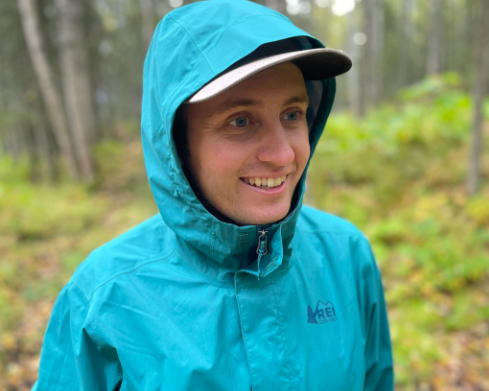
Hiking in unpredictable weather can be both exhilarating and daunting. The beauty of nature often comes with challenges, and being prepared for rain is essential for a pleasant outdoor experience. In this post, we will explore essential rain gear that will keep you dry and comfortable while enjoying your hike.
1. Waterproof Jacket
A quality waterproof jacket is a must-have for any hiker venturing into regions prone to sudden showers. Look for jackets made with breathable, moisture-wicking fabrics that allow sweat to escape while keeping rain out. Features such as adjustable hoods and cuffs can provide additional protection against wind and rain. Brands like Gore-Tex and eVent are renowned for their effectiveness, so consider investing in a jacket with these materials for better weather resistance.
Another important feature is packability. Many waterproof jackets are designed to fold into a small pouch, making them easy to store in your daypack until needed. Lightweight options are especially favorable for long hikes, as they won’t weigh you down. Remember to check sizing to ensure a comfortable fit over layers, especially if you plan to hike in colder temperatures.
-
- Choose jackets with breathable fabrics for comfort.
-
- Look for adjustable features like hoods and cuffs.
-
- Prioritize weight and packability for convenience.
-
- Test its water resistance before your trip.
2. Waterproof Pants
Just as a waterproof jacket is essential, so too are waterproof pants. Many hikers overlook the necessity of keeping their legs dry, but getting soaked can lead to discomfort and even hypothermia. High-quality waterproof pants often include features like ventilation zippers and adjustable waistbands. Look for pants that are both waterproof and breathable, as this helps prevent moisture buildup from sweating during your hike.
Consider the length of your hike and the type of terrain. If you’re going on a longer trek, choose a pair of pants that are lightweight and can easily be packed away. You may also prefer pants with reinforced knees and seats for added durability, especially if your hike involves rocky or rugged trails. Adjustable hems can also be great for preventing water from splashing up into your pants.
-
- Opt for lightweight and packable waterproof pants.
-
- Choose breathable materials to prevent sweating.
-
- Look for features like ventilation zippers for comfort.
-
- Consider durability features like reinforced areas.
3. Footwear for Wet Conditions
Your feet take a lot of pounding while hiking, and wet conditions call for footwear that can handle the elements. Waterproof hiking boots with good traction are vital to prevent slippage on muddy or wet trails. Materials like Gore-Tex lining keep moisture out while allowing your feet to breathe. Choose boots with high ankle support to help prevent injuries on slippery surfaces, as terrain can become hazardous when it’s wet.
Don’t forget to consider the insoles and socks as part of your gear. Moisture-wicking socks made from merino wool or synthetic materials can help keep your feet dry and reduce the risk of blisters. If you anticipate muddy conditions, you may even want to invest in gaiters – these act as an added barrier against water and mud entering your boots.
-
- Select waterproof boots with good traction.
-
- Opt for high-ankle boots for added stability.
-
- Wear moisture-wicking socks to keep feet dry.
-
- Consider gaiters for extra protection against mud.
4. Accessories to Enhance Comfort
Accessories play a pivotal role in improving comfort when hiking in the rain. A waterproof backpack cover helps keep your gear dry, which is crucial for multi-day hikes. When choosing a cover, ensure it fits snugly over your pack and provides coverage for both the main compartment and side pockets. Additionally, a good pair of waterproof gloves can keep your hands warm and functional, especially if you’re adjusting gear or using trekking poles.
Also, consider a rain hat with a wide brim. This not only keeps the rain off your face but also helps channel water away from your neck. Having a neck gaiter or bandana can also improve your overall comfort by keeping moisture off your skin and chafing at bay. Remember, the right accessories can significantly enhance your hiking experience, even in less-than-ideal weather.
-
- Invest in a waterproof backpack cover to protect your gear.
-
- Choose gloves that are both waterproof and warm.
-
- Wear a rain hat with a wide brim for better protection.
-
- Use a neck gaiter to keep moisture away from your skin.
Preparing for unpredictable weather is crucial for any successful hiking trip. By selecting the right gear, you can ensure a comfortable and enjoyable experience, regardless of the forecast. So gear up, hit the trails, and embrace whatever nature throws your way!