
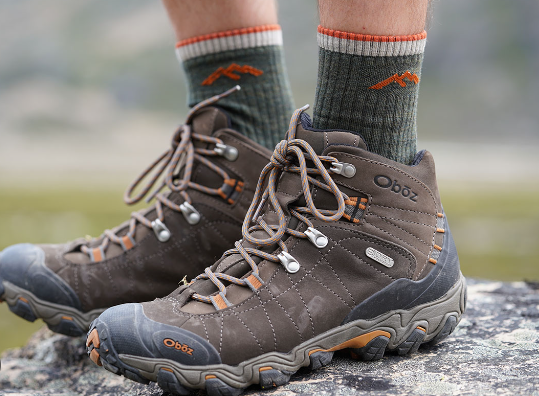
Choosing the right hiking socks can make a world of difference when it comes to long-distance comfort on the trails. The right pair not only keeps your feet dry and blister-free but also enhances your overall hiking experience. Here’s an insightful guide to the best hiking socks that will elevate your next adventure.
1. Materials Matter
The composition of your hiking socks plays a pivotal role in their performance. Wool, particularly Merino wool, is a popular choice due to its moisture-wicking properties and natural temperature regulation. This material keeps your feet warm in cold weather and cool during summer hikes, while also battling odors over long distances. Synthetic materials like polyester and nylon can also provide excellent moisture-control and durability but often lack the natural comfort of wool.
For serious hikers, a blend of materials often works best. Look for socks that include a mix of Merino wool for warmth, nylon for durability, and spandex for fit. This combination ensures your socks hold up against wear while keeping your feet comfortable. Additionally, think about your specific hiking conditions; if you’re hiking in wet climates, moisture-wicking synthetic fibers will serve you well.
-
- Choose Merino wool for versatile weather conditions.
-
- Look for blends that include nylon and spandex for strength and fit.
-
- Consider synthetic options for wet conditions.
-
- Check for moisture-wicking technology in the sock description.
2. Fit Is Everything
A proper fit is crucial to prevent blisters and discomfort over long distances. Ill-fitting socks can lead to bunching and friction, creating hotspots that can turn your enjoyable hike into a painful ordeal. When choosing socks, ensure they are snug but not overly tight, as this can restrict circulation. Always consider the size recommendations provided by the manufacturer, as sizes can vary between brands.
Another important aspect to consider is the sock’s height. Crew-length socks provide extra coverage and support for your calves, while ankle-length options may be more suitable for warmer days. Make sure to try on the socks with the same footwear you plan to use on your hikes, as your footwear can affect the fit significantly.
-
- Try on socks with your hiking boots for the best fit.
-
- Opt for a snug fit to avoid blisters but not overly tight.
-
- Choose the sock height based on your hiking conditions.
-
- Consider compressed or cushioned options if additional support is needed.
3. Cushioning and Support
Cushioning can provide significant comfort during long hikes, especially on rocky or uneven terrain. Lightweight cushioning tends to be placed in the heel and toe areas, which reduces the impact on these high-pressure zones without adding excessive bulk. If you prefer a thicker sock, look for those designed with a blend of cushioning and breathability, so your foot stays comfortable without overheating.
Support features such as arch support and reinforced heels are also essential for those tackling longer miles. Socks with a cushioned arch can reduce fatigue and provide stability, making your hike more enjoyable. When searching for the right pair, check for socks that explicitly mention these features, as they can significantly improve your overall comfort.
-
- Choose socks with lightweight cushioning for long distances.
-
- Look for arch support features for extra comfort.
-
- Test different levels of cushioning to find what works for you.
-
- Consider reinforced heels for durability on rugged terrain.
4. Breathability Is Key
Breatheability is a key factor when selecting hiking socks for longer treks. Socks that trap heat and moisture can lead to sweaty feet, creating an inviting environment for blisters. Look for socks with mesh panels or ventilation systems; these features help regulate temperature and wick away moisture more efficiently. It’s essential especially on hot days when your feet are likely to sweat more.
Natural fibers like Merino wool have inherent breathability, but many synthetic blends also incorporate designs that increase airflow. Check customer reviews for insights into breathability; users often share their experiences of how well socks perform on hot and humid trails. If you’re planning to hike in warm conditions, prioritizing breathability will help keep your feet dry and comfortable.
-
- Opt for socks with ventilation features like mesh panels.
-
- Research breathable materials and their moisture-wicking capabilities.
-
- Prioritize breathability for summer hikes or humid conditions.
-
- Read customer reviews to gauge real-world performance.
Selecting the perfect hiking socks can dramatically improve your trail experience, ensuring comfort and reducing the risk of blisters. By paying attention to materials, fit, cushioning, and breathability, you can find the right pair for your adventures. Don’t hesitate to invest time in researching and trying out different options; your feet will thank you!